We are Iranian!
Persian Empire
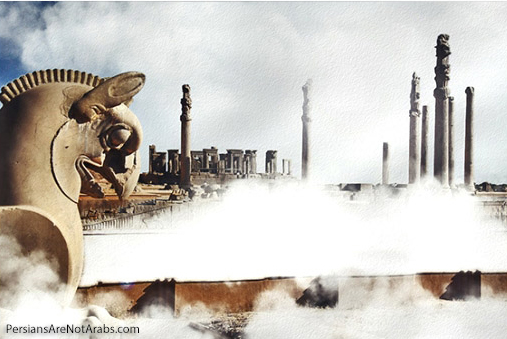
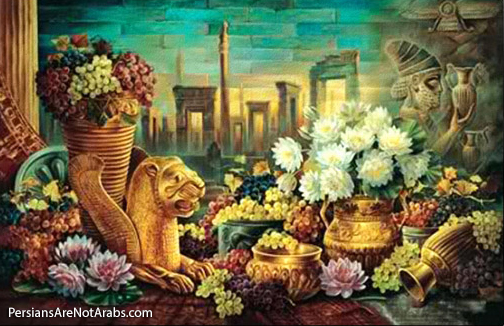
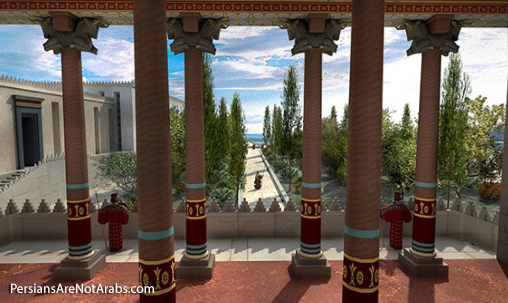
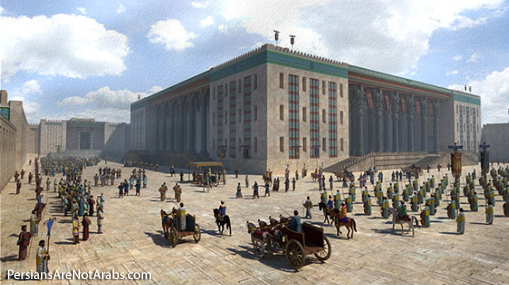
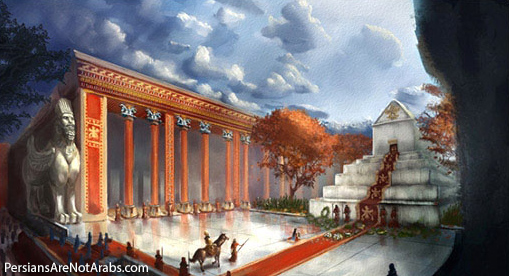
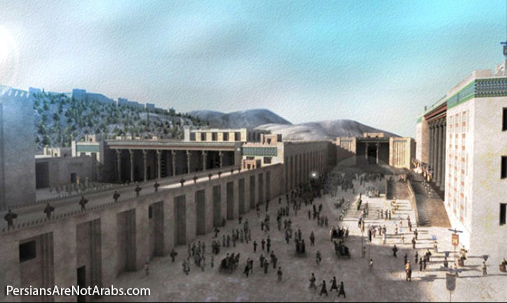
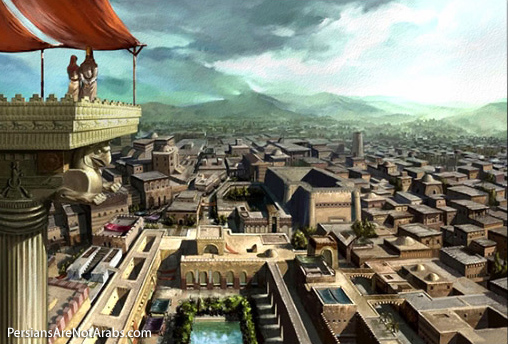
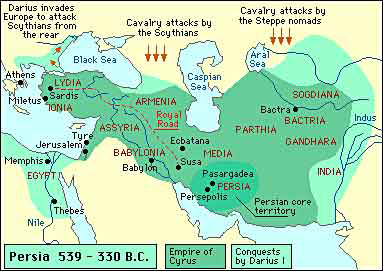
The Persian Empire is any of a series of imperial dynasties centered in Persia (now Iran). The first of these was established by Cyrus The Great in 550 BC, with the Persian conquest of Media, Lydia and Babylonia.
The main religion of ancient Persia was Zoroastrianism, but after the 7th century this was replaced by Islam.
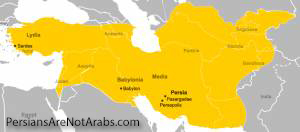
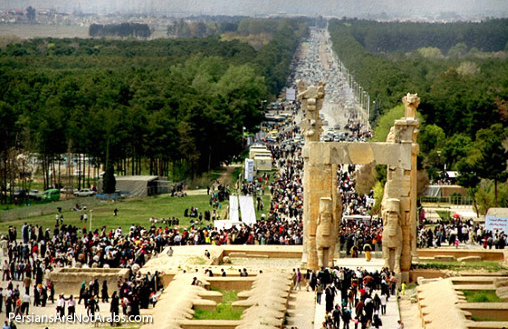
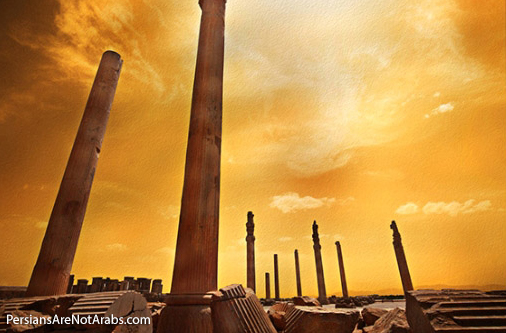
Iran is home to one of the world's oldest continuous major civilizations, with historical and urban settlements dating back to 4000 BC. By the 5th century B.C.E., it was the largest empire the world had ever seen, surpassing the size of their Assyrian predecessors.
Once a major empire of superpower proportions, having conquered far and wide, Iran has endured invasions too, by the Greeks, Arabs, Turks, and the Mongols.
List of dynasties
-
Achaemenid Empire (550–330 BC), also called the "First Persian Empire"
The Achaemenid Empire, also called the First Persian Empire or Medo-Persian Empire, was an empire based in Western Asia in Iran, founded by Cyrus the Great. -
Parthian Empire (247 BC–AD 224, also called the "Arsacid Empire")
The Parthian Empire, also known as the Arsacid Empire was a major Iranian political and cultural power in ancient Iran.
At its height, the Parthian Empire stretched from the northern reaches of the Euphrates, in what is now central-eastern Turkey, to eastern Iran. The empire, located on the Silk Road trade route between the Roman Empire in the Mediterranean Basin and the Han Empire of China, became a center of trade and commerce.
-
Sasanian Empire (224–651), also called the "Neo-Persian Empire" and "Second Persian Empire"
The Sasanian Empire also known Sasanid, was the last Iranian empire before the rise of Islam, ruled by the Sasanian dynasty from 224 AD to 651 AD. The Sasanian Empire, which succeeded the Parthian Empire, was recognized as one of the leading world powers alongside its neighboring arch rival the Byzantine Empire, for a period of more than 400 years. -
Safavid dynasty (1501–1736)
The Safavid dynasty was one of the most significant ruling dynasties of Persia (modern Iran) after the fall of the Sasanian Empire - following the Muslim conquest of Persia in the seventh century A.D., and "is often considered the beginning of modern Persian History". -
Afsharid dynasty (1736–1796)
The Afsharids were members of a native Iranian dynasty of Turkish origin, specifically the Afshar tribe, from Khorasan, who ruled Persia in the 18th century. The dynasty was founded in 1736 by the brilliant military commander Nader Shah, who deposed the last member of the Safavid dynasty and proclaimed himself King of Iran. -
Zand dynasty (1750–1794)
The Zandiyeh was a dynasty led by Karim Khan Zand that ruled southern and central Iran in the 18th century. -
Qajar dynasty (1785–1925)
The Qajar dynasty was a Persianized native Iranian royal family of Turkic origin, which ruled Persia (Iran) from 1785 to 1925. The Qajar family took full control of Iran in 1794, deposing Lotf 'Ali Khan, the last of the Zand dynasty, and re-asserted Persian sovereignty over large parts of the Caucasus and Central Asia. -
Pahlavi dynasty (1925–1979)
The Pahlavi dynasty was the ruling house of Iran from 1925 until 1979, when the monarchy was overthrown and abolished as a result of the Iranian Revolution. The dynasty was founded by Reza Shah Pahlavi in 1925, whose reign lasted until 1941 when he was forced to abdicate by the Allies after the Anglo-Soviet invasion. He was succeeded by his son, Mohammad Reza Shah Pahlavi, the last Shah of Iran.